Quartz Worktops
View our extensive and diverse range of beautiful kitchen and bathroom quartz worktops. We have a wide range of options to choose from that come in a range of colours, finishes & thicknesses. Our quartz slabs are available in extra-large formats to give you continuity in larger spaces. We guarantee that you will discover the ideal quartz worktop to complement the style and requirements you have. Browse our collection and request your free sample today.
-
CRL QuartzBarletta
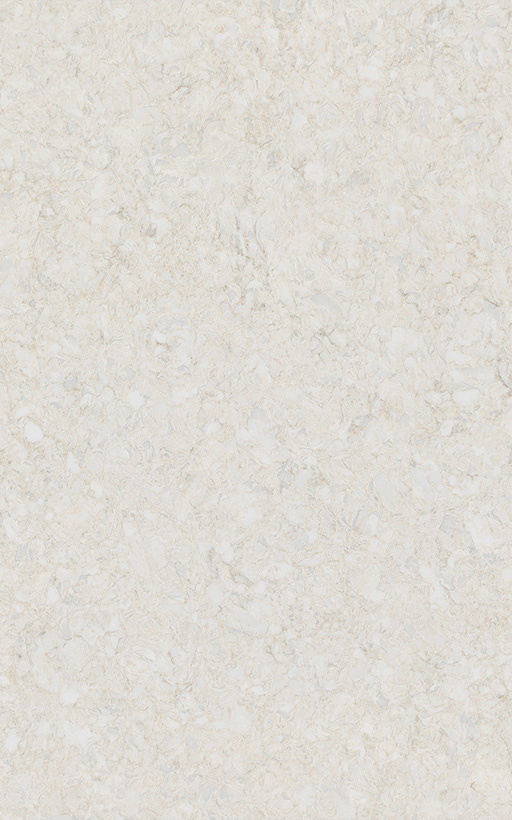
-
CRL QuartzModena
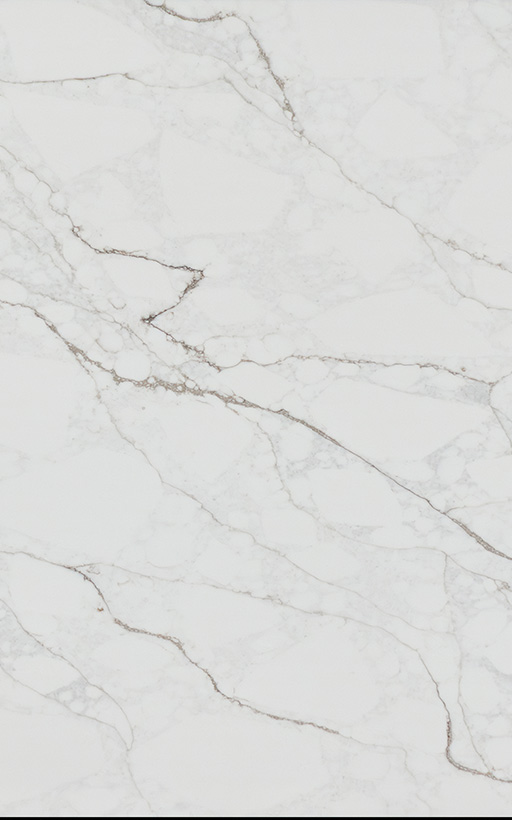
-
CRL QuartzStatuario Oro
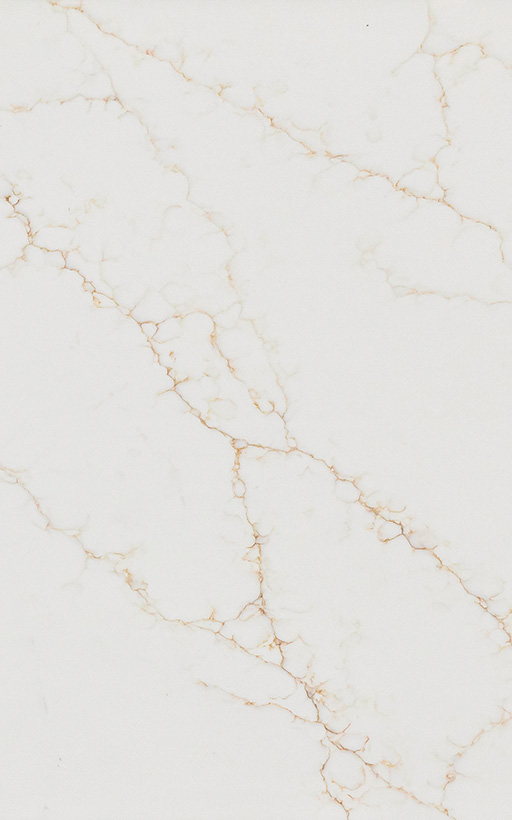
-
CRL QuartzTaj Mahal
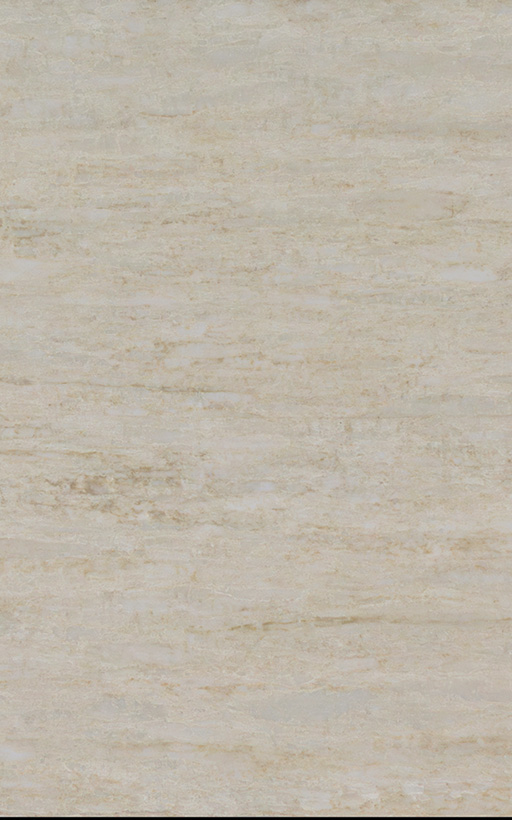
-
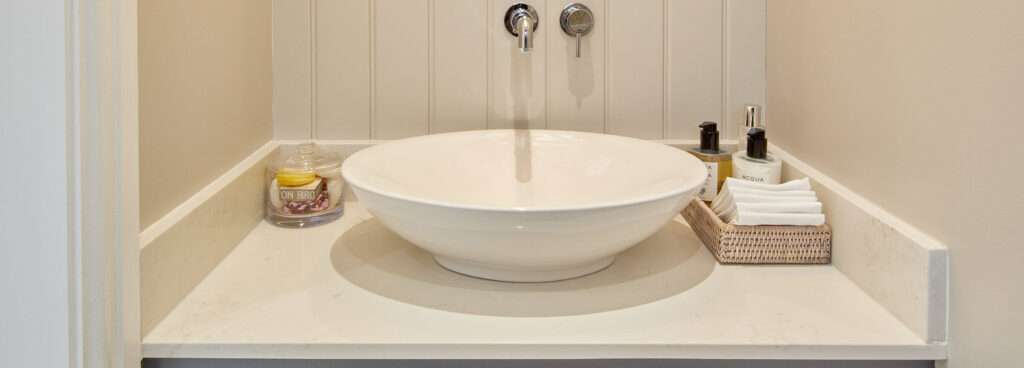
-
CRL QuartzVerona Gold
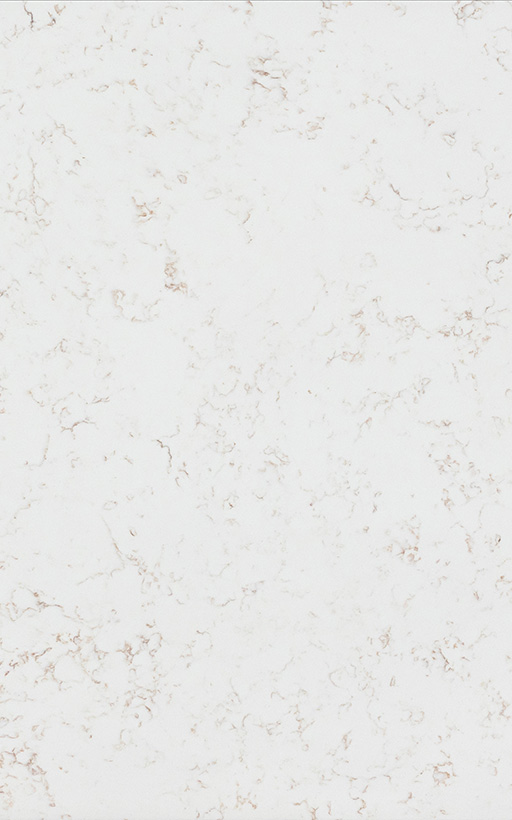
-
CRL QuartzArabescato Vagli
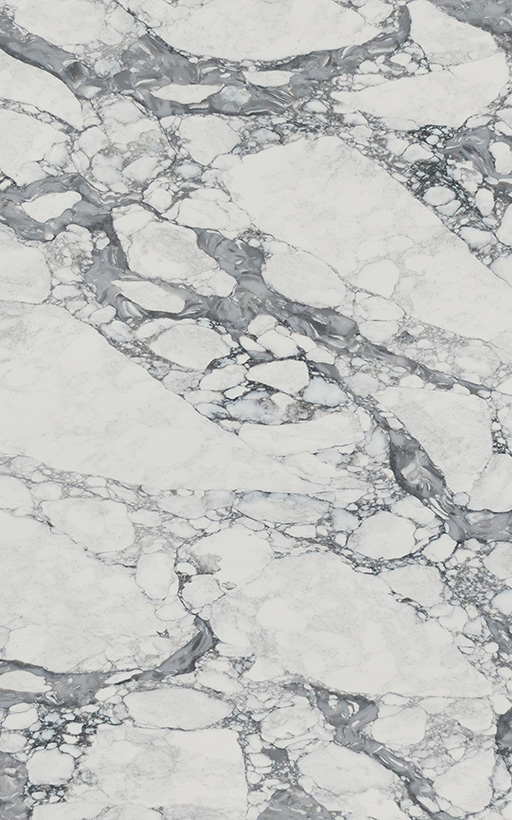
-
CRL QuartzCristallo Perla
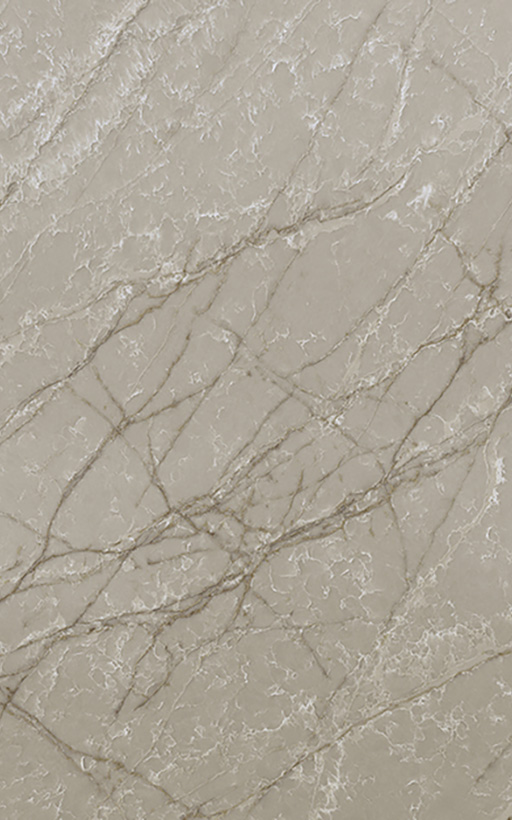
-
CRL QuartzPantheon Grey
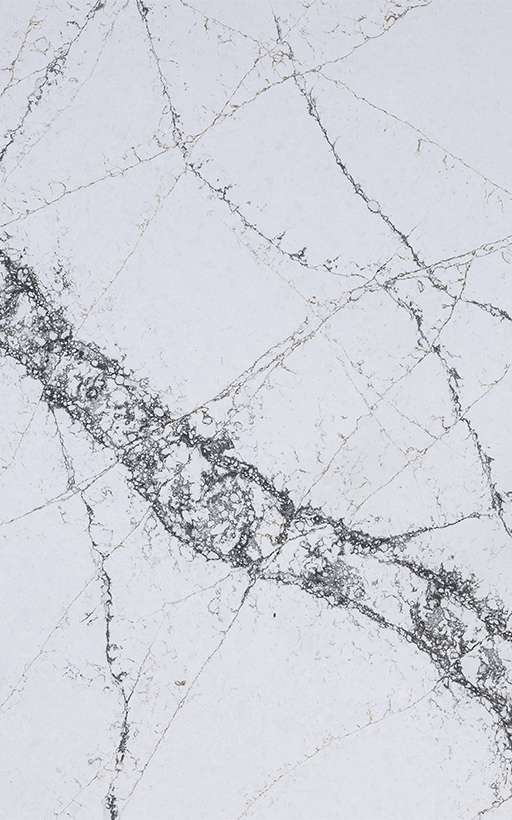
-
CRL QuartzPantheon Bronze
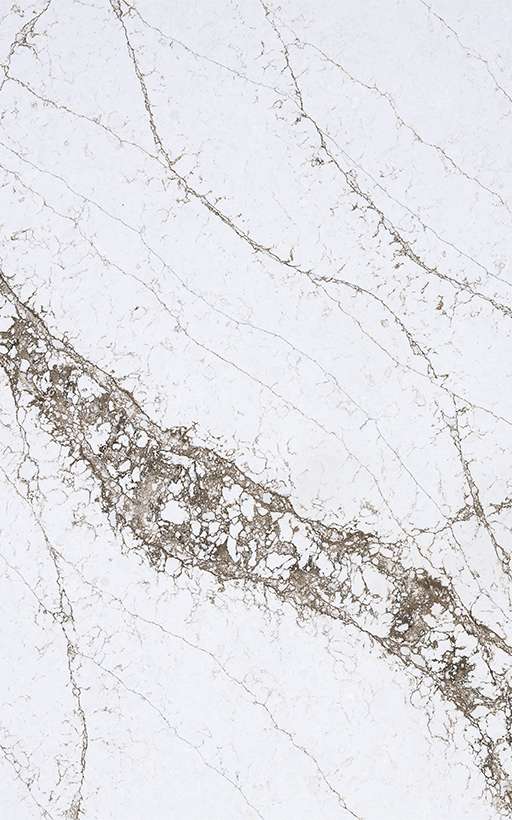
-
CRL QuartzMessina Gold
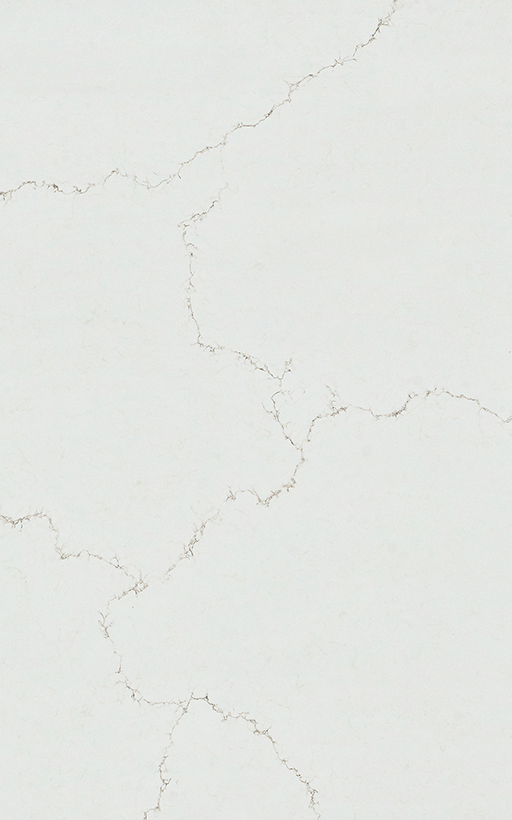
-
CRL QuartzCristallo Azure
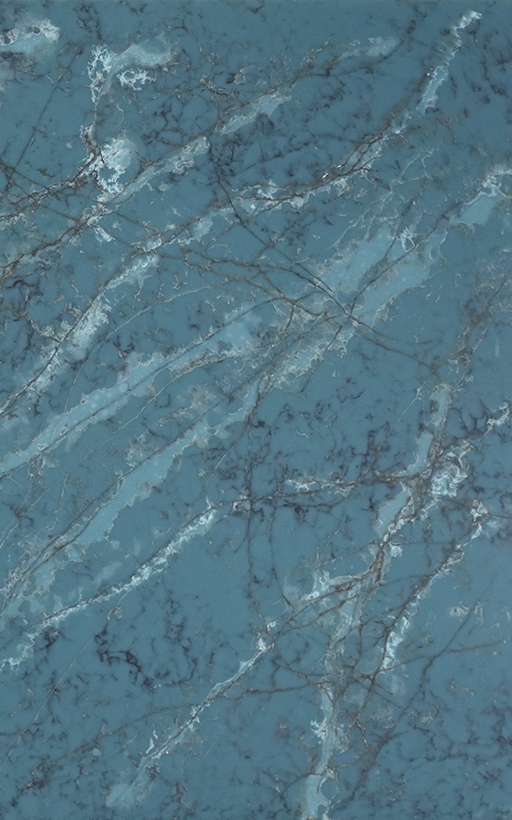
-
CRL QuartzCristallo Verde
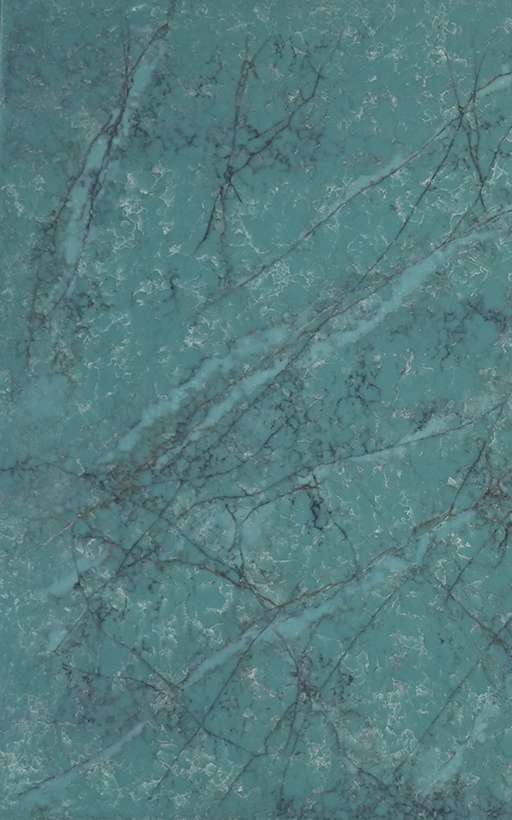
-
Subscribe to our newsletter
Great design inspiration from the latest tips, trends, guides and more!
Subscribe to design tips -
CRL QuartzCristallo Gris
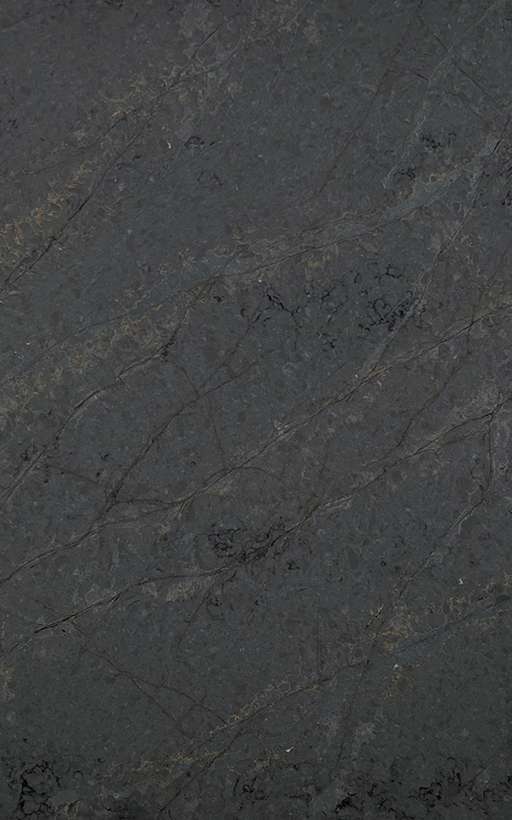
-
CRL QuartzCristallo Platino
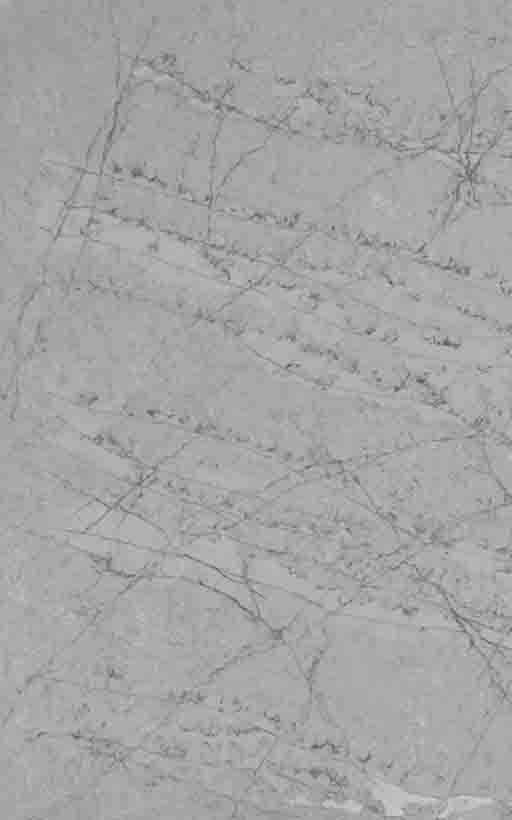
-
CRL QuartzVenetian Grande
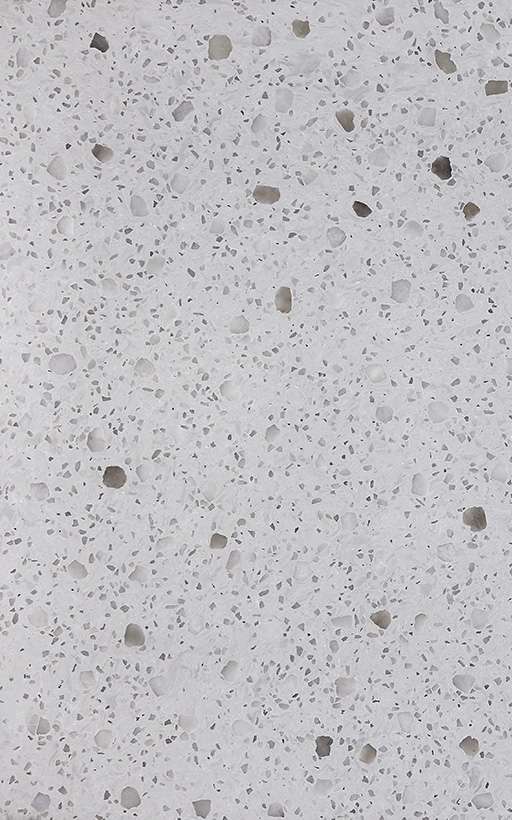
-
CRL QuartzLuna Bianco Honed
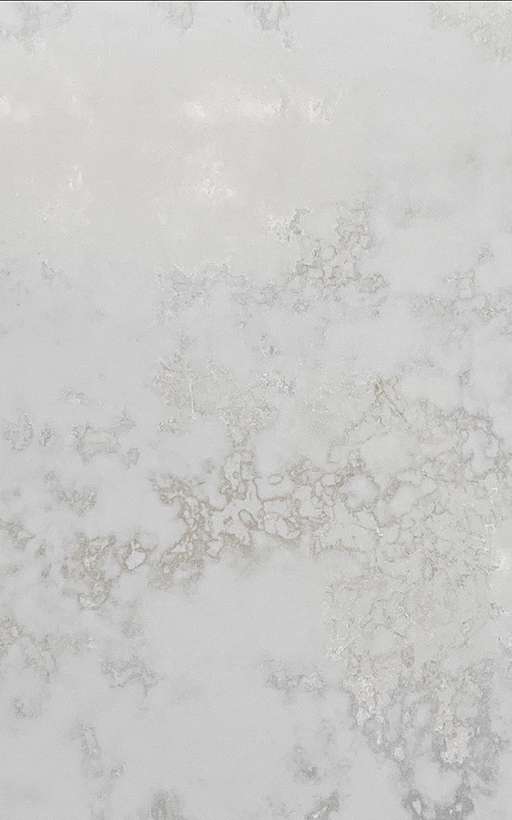
-
CRL QuartzMercurio Honed
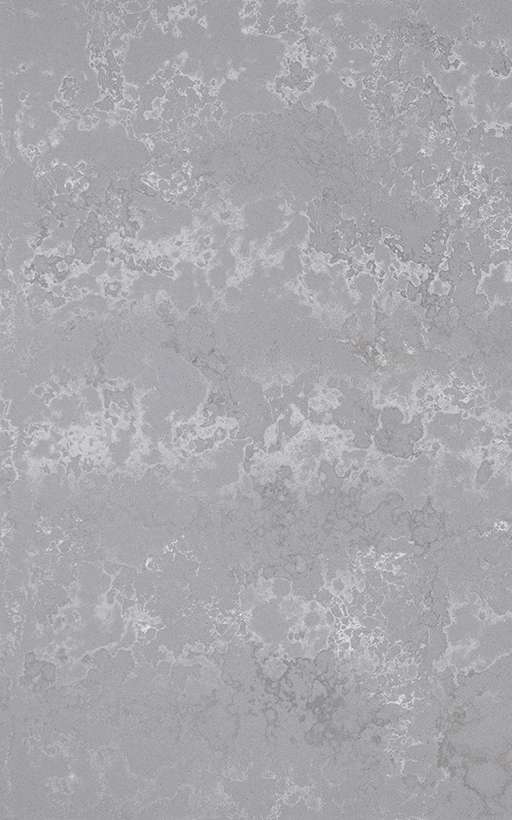
-
CRL QuartzStella Gris Honed
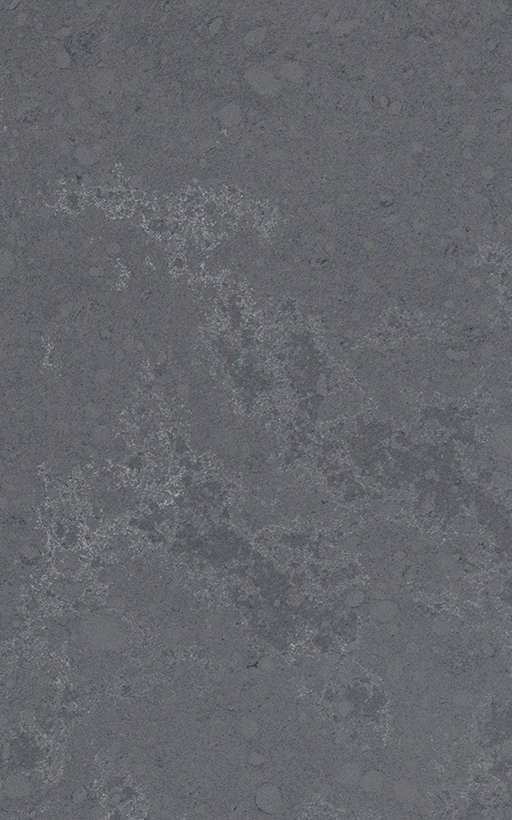
-
CRL QuartzPalermo
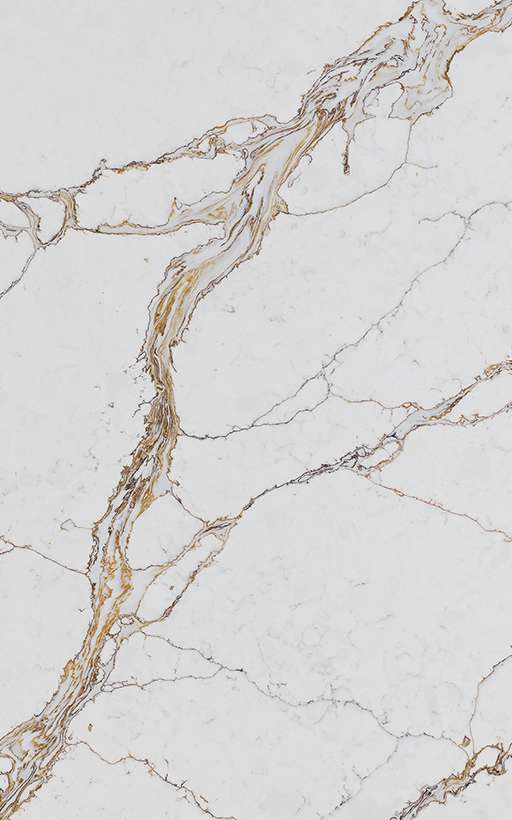
-
CRL QuartzMilano
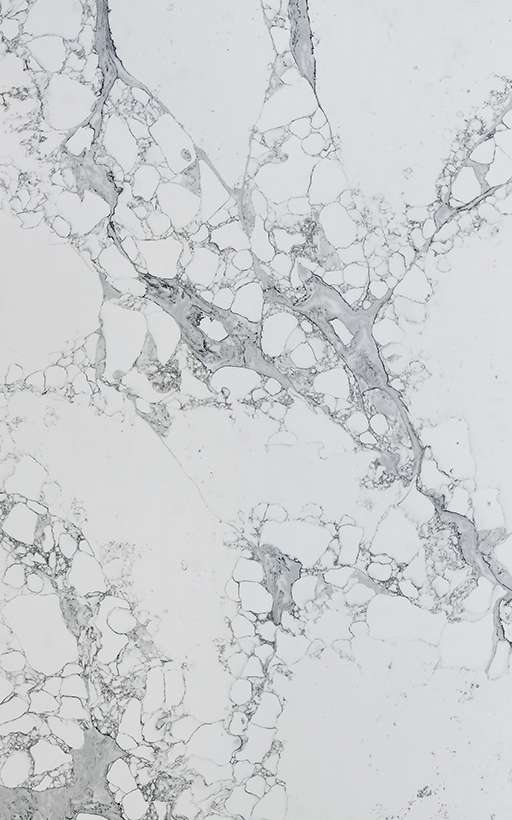
Pattern may vary slightly from image shown
You are viewing surfaces 1 - 20 of 52 surfaces
Our CRL Quartz Worktops
Shop our extensive and diverse range of quartz kitchen worktops, perfect for creating beautiful and functional spaces in your home. We have over 60 options to choose from that come in a range of colours, finishes & thicknesses. Our quartz slabs are available in extra-large formats to give you continuity in larger spaces. We guarantee that you will discover the ideal quartz kitchen worktop to complement the style and requirements you have. Browse our collection and request your free sample today.
Key Benefits of Quartz Worktops
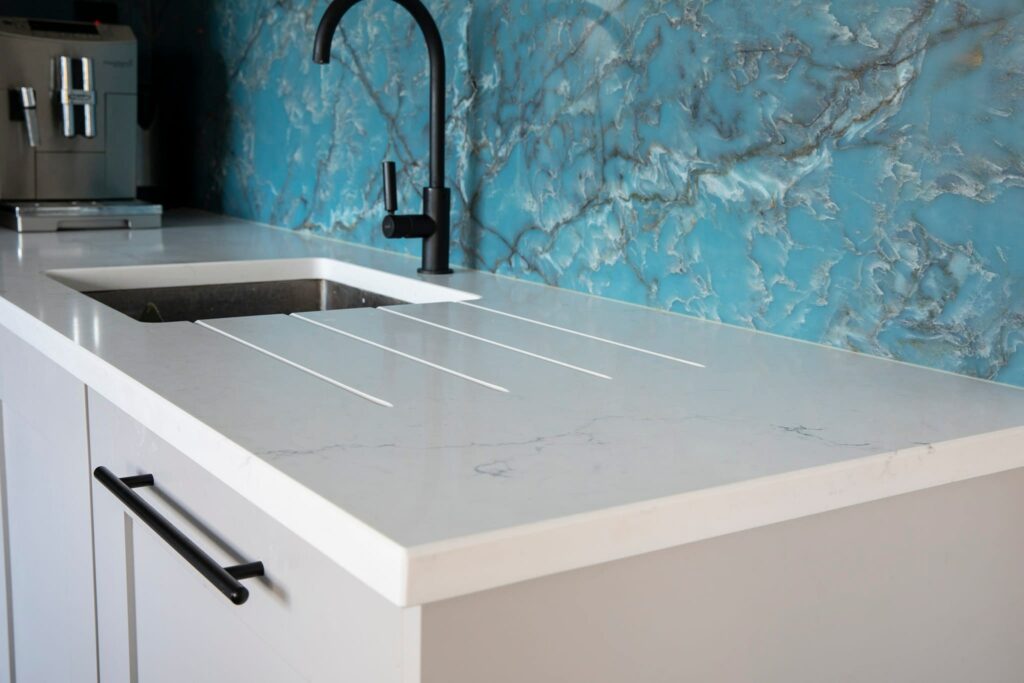
Quartz kitchen worktops offer impressive durability, crafted from one of the toughest minerals found on Earth. Their strength and ease of maintenance make them an excellent choice for kitchens and bathrooms—spaces that often face heavy use. For homeowners seeking a blend of elegance and practicality, quartz worktops deliver a beautiful, hassle-free solution.
Easy Maintenance
Beyond adding a touch of elegance to your home, quartz kitchen worktops are incredibly easy to care for. The non-porous surface resists bacteria and stains, making cleaning as simple as wiping with warm water and mild soap. Unlike wooden options, quartz worktops don’t need annual sealing, saving you time and effort.
Lasting Style
Crafted from one of the toughest minerals on Earth, quartz worktops are built to last and can serve generations of your family. They offer enduring quality in both appearance and function. Their ability to replicate the look of natural stone brings a timeless appeal to any space.
At CRL Stone we pride ourselves on creating subtle and bold designs with examples of Messina Gold Quartz which is inspired by the beauty of marble and Cristallo Platino Quartz that reflects the distinctive look of natural stone because of this quartz not only stands the test of time but also enhances your home’s value and luxury.
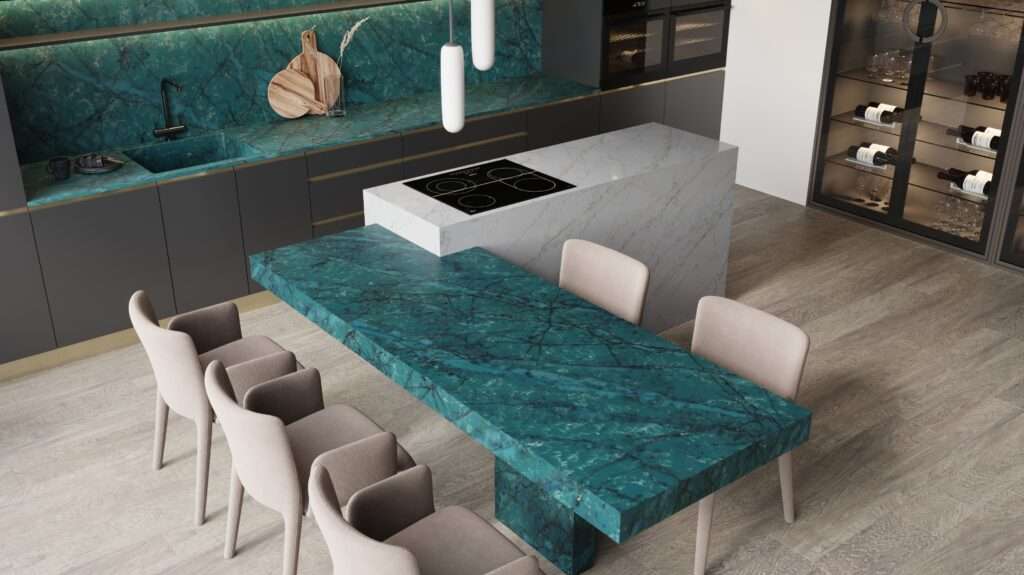
Quartz Worktops Colours and Finishes
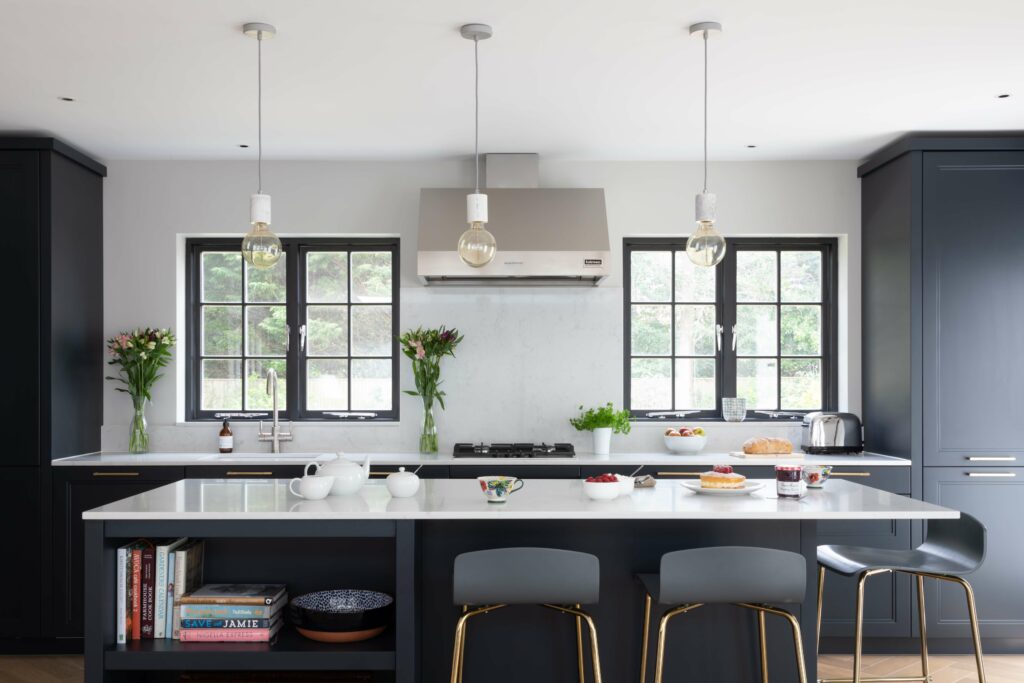
The colour and texture of your quartz worktop are key elements in shaping the atmosphere and style of your kitchen. Whether you’re looking for a sleek white quartz worktop, a dramatic black quartz worktop, or a versatile grey quartz worktop, our extensive collection has you covered. At CRL Stone, our vast collection of over 100 options allows you to create a classic or contemporary finish that perfectly reflects your personal taste and complements your overall design.
Quartz Worktops Prices
The cost of quartz worktops varies based on factors like size, thickness, and design. At CRL Stone, we offer competitive quartz worktop prices to suit a variety of budgets. Request a free sample today to explore the possibilities!
Comparing 20mm vs 30mm Quartz Worktops
When considering quartz kitchen worktops, thickness is an important factor:
- 30mm Quartz Worktops: These offer exceptional strength and are ideal for heavier items like sinks and cooktops. Their robust appearance adds a luxurious feel to your kitchen.
- 20mm Quartz Worktops: A slimmer, more cost-effective option, these provide a streamlined modern look while maintaining durability.
Popular Quartz Worktop Options
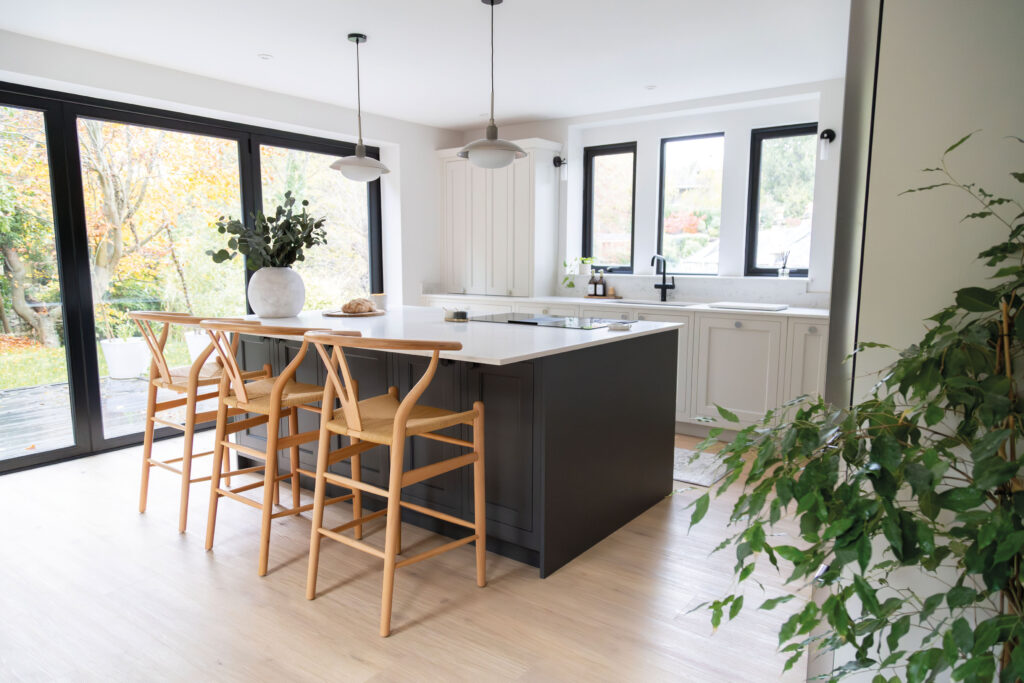
- Grey Quartz Worktops: A versatile option that complements both modern and traditional styles.
- White Quartz Countertops: Timeless and elegant, perfect for brightening your kitchen.
- Black Quartz Worktops: A bold choice that adds sophistication to any design.
Read our quartz worktops FAQs
Can you place hot pans on quartz worktops?
Although quartz worktops are recognised for their durability, it’s advisable to avoid setting hot pots and pans directly onto the surface. Quartz surfaces have a heat resistance threshold of up to 302°F (150°C), yet repeated exposure to temperatures exceeding 150°F (65°C) may cause changes in colour and distortion.
To safeguard your quartz kitchen worktop, make use of trivets or mats that can withstand high temperatures whenever dealing with heated kitchenware. Taking this measure will help maintain the pristine condition and longevity of your exquisite quartz surface.
What are quartz worktops made of?
Worktops crafted from quartz consist predominantly of natural quartz, at approximately 93%, which is then fused with about 7% polymers and resin. This results in the aesthetic appeal of a natural stone surface while enhancing its strength and durability.
How do you clean quartz worktops daily?
Maintaining your quartz countertop for kitchens is easily achieved through daily cleaning. Utilise warm water coupled with a gentle cloth or paper towel to cleanse the surface. Promptly addressing spillages and removing dust are key measures for preserving the hygienic quality of your quartz worktop, while also safeguarding against stains.
How easily does quartz scratch?
With a rating of 7 on the Mohs scale for hardness, quartz worktops boast commendable durability with regards to resisting scratches, however they are not completely invulnerable to harm. It’s recommended that you use a cutting board while chopping food in order to avoid any scratching. By being cautious, taking preventative measures and avoiding harsh cleaning implements you can help preserve your quartz worktops natural look.
How much is a quartz worktop?
The price of a quartz worktop depends on factors such as size, thickness, and finish. We offer transparent quartz worktop prices to fit your budget. Request your free sample now, or contact us for a personalised quote.
Need help choosing your quartz worktop?
With over 20 years of industry experience, CRL Stone is a leading provider of quartz kitchen worktops, offering a wide range of beautifully engineered surfaces designed to meet the demands of modern living.
If you need assistance selecting your quartz worktop or would like to know quartz worktop prices, please don’t hesitate to contact us. You can call us on +44 1706 863600, email us, request samples through our website or visit one of our showrooms in Manchester or London.
Additionally, CRL Stone has fully installed kitchen displays across the UK and Ireland to help you visualise your ideal quartz worktop near me. Simply call us at 01706 863 600 with your chosen surface and location, and we’ll help you find the nearest installation.